A Country Platform of the ICCA Consortium
A self-organised collective committed to the recognition, support, and sustainability of CCAs – Territories of Life – and advancing community-led protection, governance, and stewardship of biodiversity-rich territories across India.
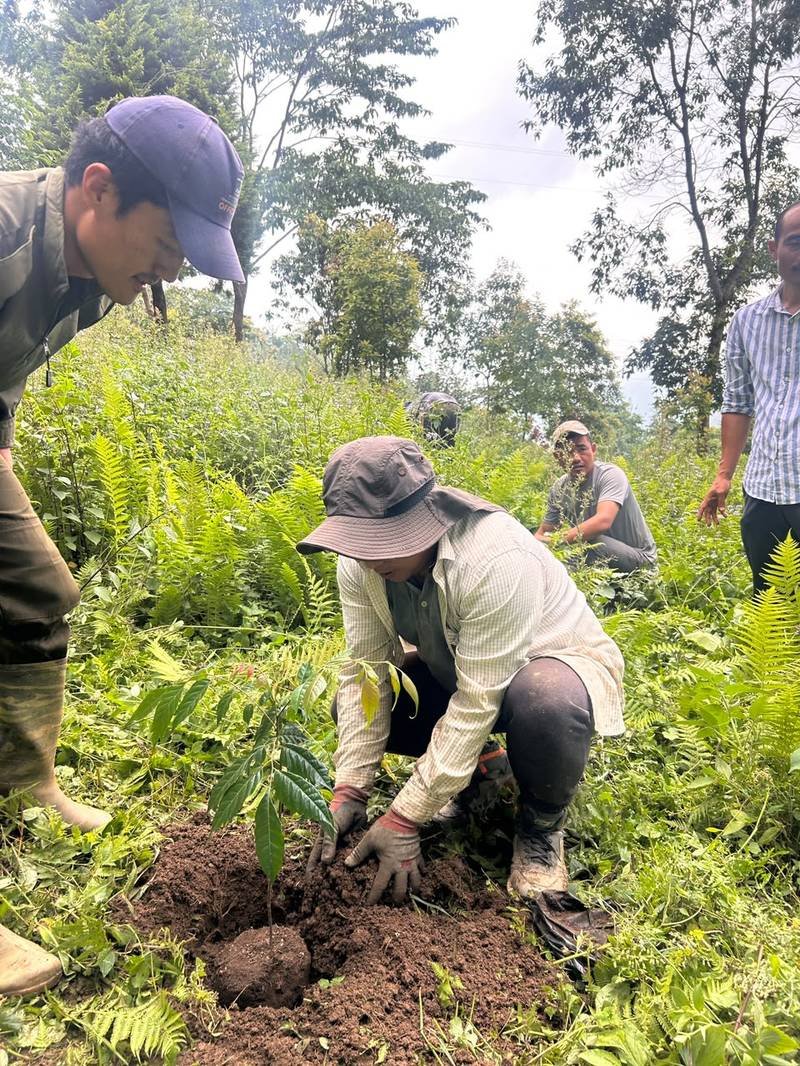
The National Working Group on Community Conserved Areas (NWG-CCA) is a self-organised collective of like-minded organisations, movements, and individuals committed to the recognition, support, and sustainability of Territories of Life — referred to in the Indian context as Community Conserved Areas (CCAs). The group was formally constituted in 2022 with the aim of advancing community-led protection, governance, and long-term stewardship of biodiversity-rich territories across India.
In both philosophy and practice, NWG-CCA serves as the India chapter of the ICCA Consortium, a global network advocating for the rights and roles of Indigenous Peoples and local communities in conserving nature. The environmental action group Kalpavriksh serves as the national secretariat, providing full-time coordination, logistical, and documentation support.
NWG-CCA functions through a collaborative and decentralised model, with decision-making rooted in collective consensus. It is governed by its members and led by a Chair and Co-Chair, who provide strategic guidance, representation, and cross-thematic coordination.
The NWG-CCA exists to:
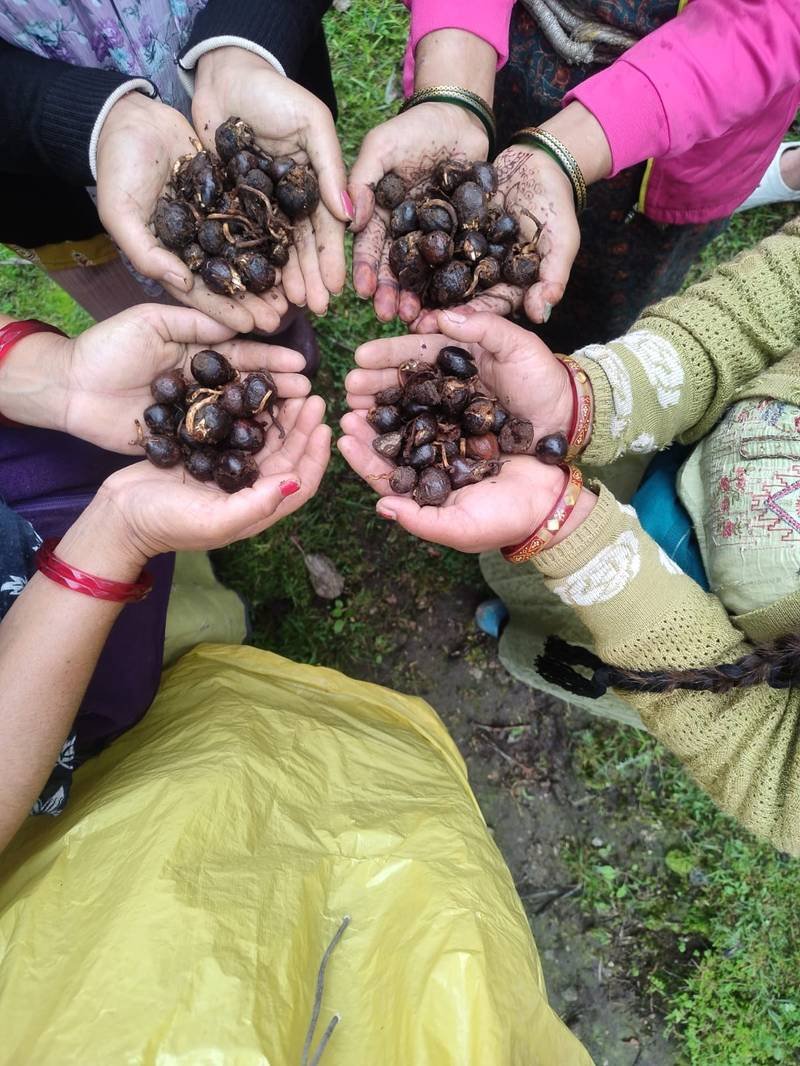
The NWG-CCA is India’s national working group within the ICCA Consortium’s South Asia region, guided by its Chair and Co-Chair, anchored by its secretariat, and carried out through member-led sub-groups.
The NWG works through seven thematic steering committees, each led by members and supported by the Secretariat. Their plans come together in a consolidated National Strategic Action Plan, developed at the Annual National Meeting and reviewed quarterly.
Community engagement, building community collectives, and facilitating intergenerational learning, among others.
Studies on self-identified or locally relevant ecological and social questions, including governance, socio-ecological dimensions, and customary institutions.
Building the ICCA Registry in India, mapping, case studies, the CCA Portal, the Global ICCA Registry, visual and oral narratives, and community biodiversity registers, among others.
Public policy engagement and CCA recognition frameworks.
Rights-based conservation, legal support, and empowering community institutions.
Coastal ICCAs, small-scale fisheries, and coastal & marine biodiversity.
Outreach, storytelling, media, publications, and digital platforms.
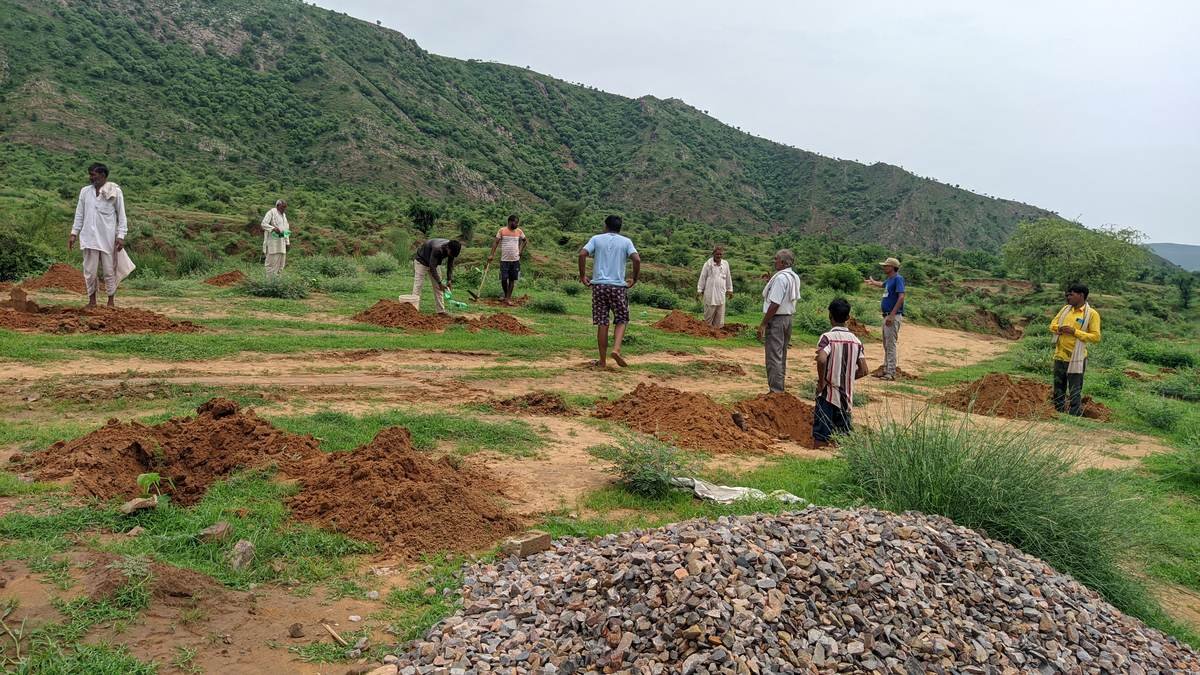
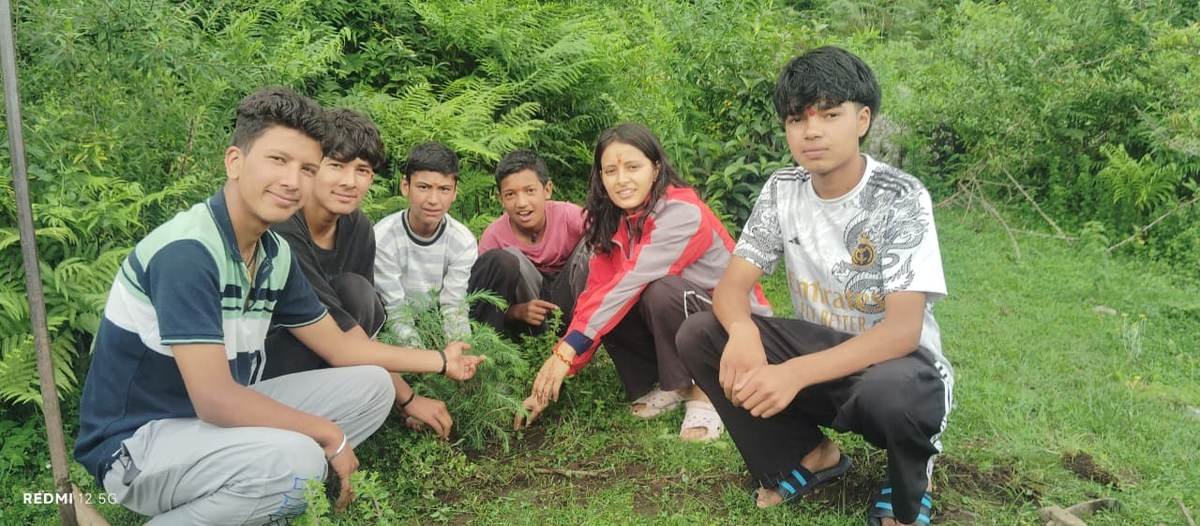
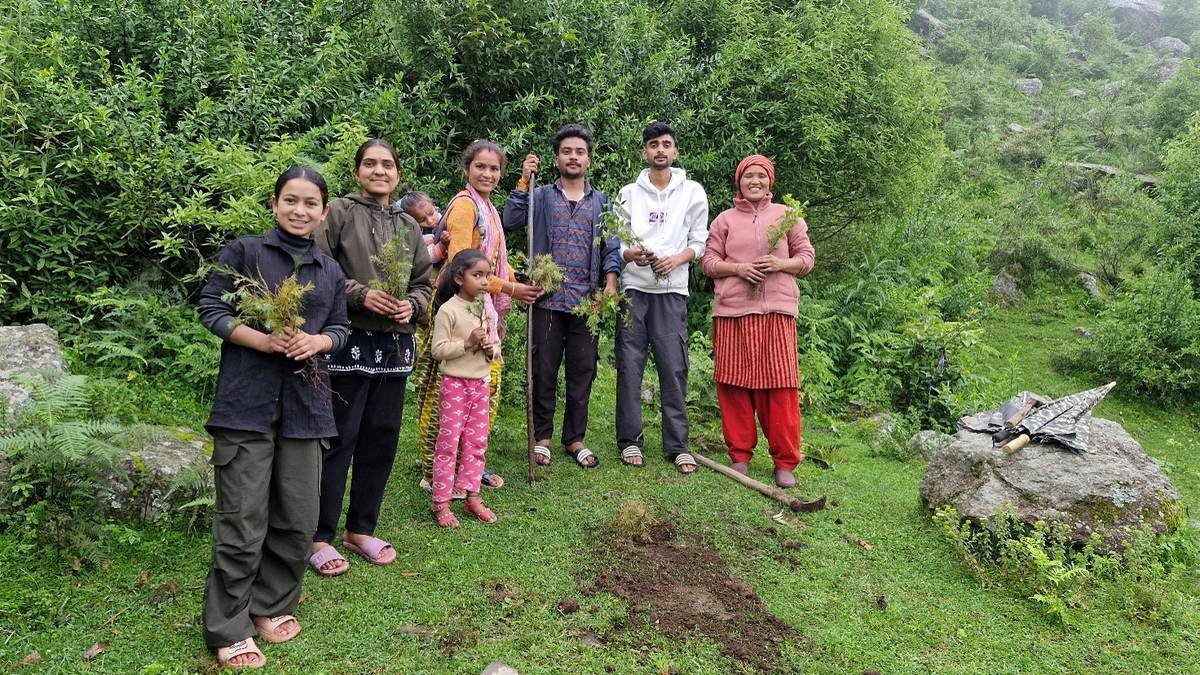
Community plantation and restoration work

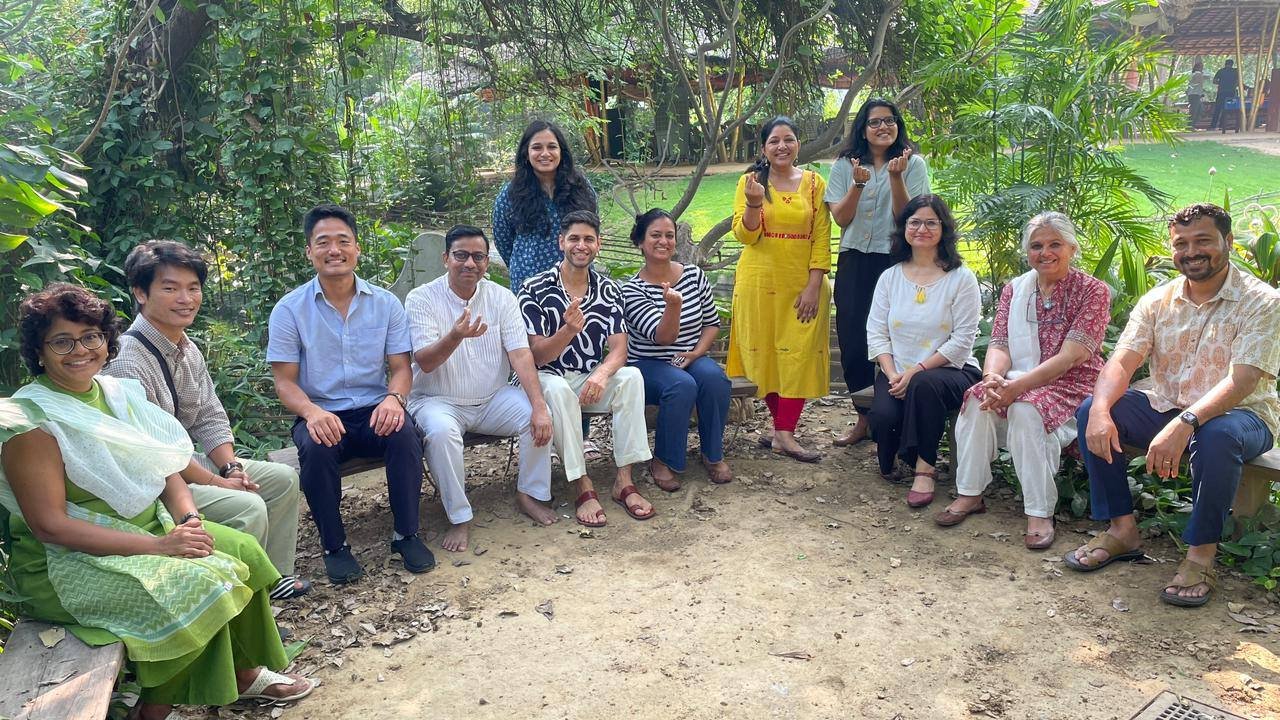
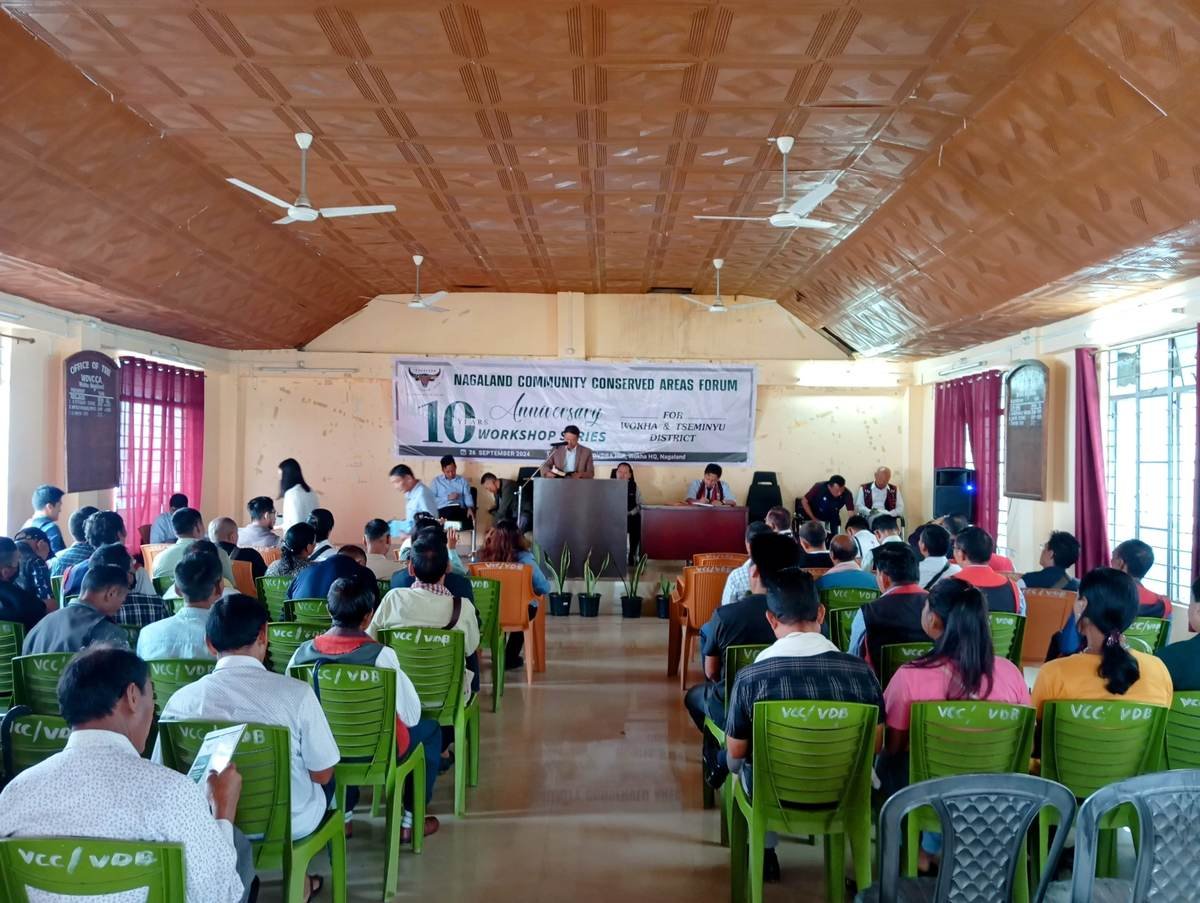
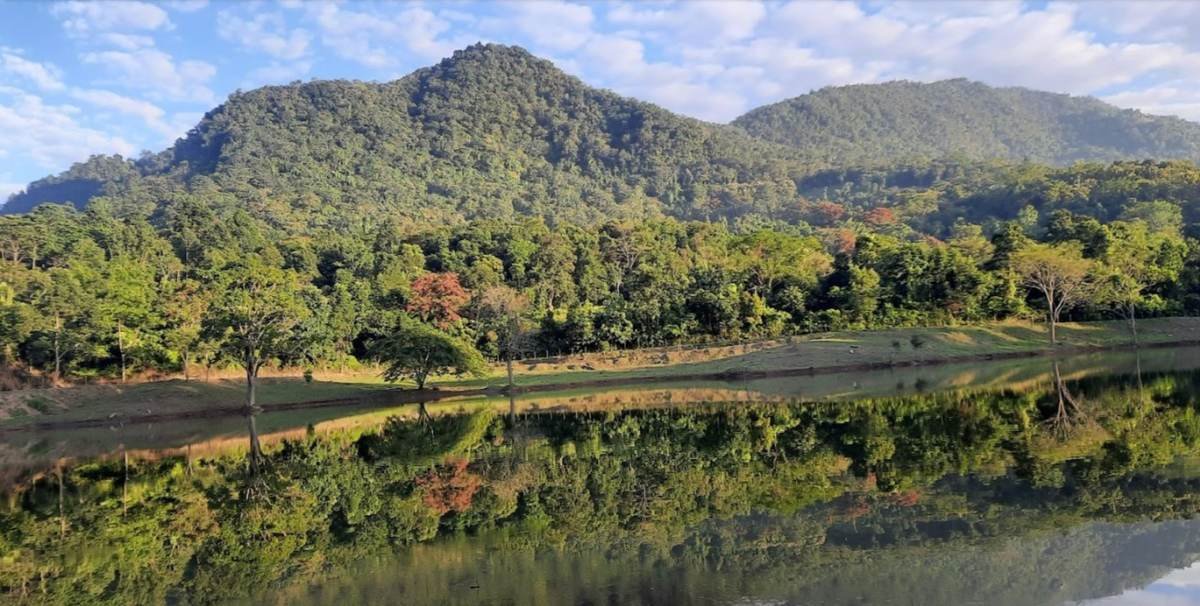
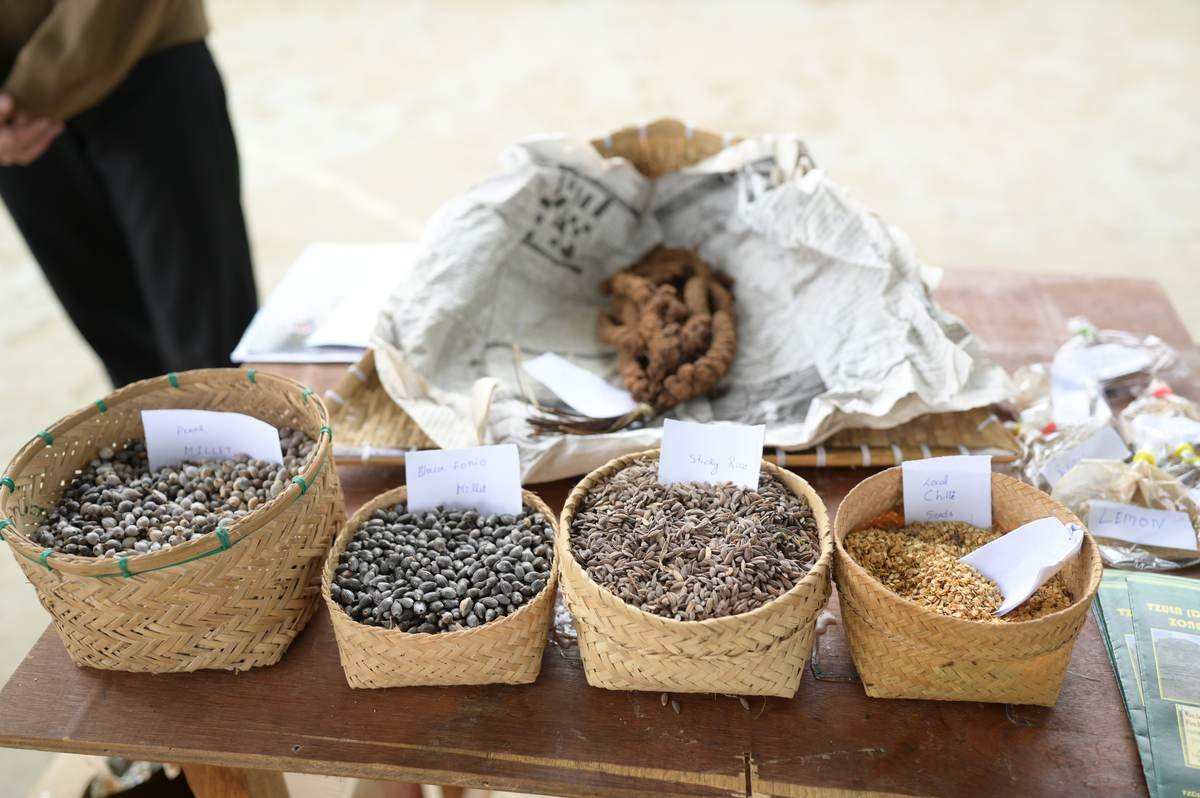
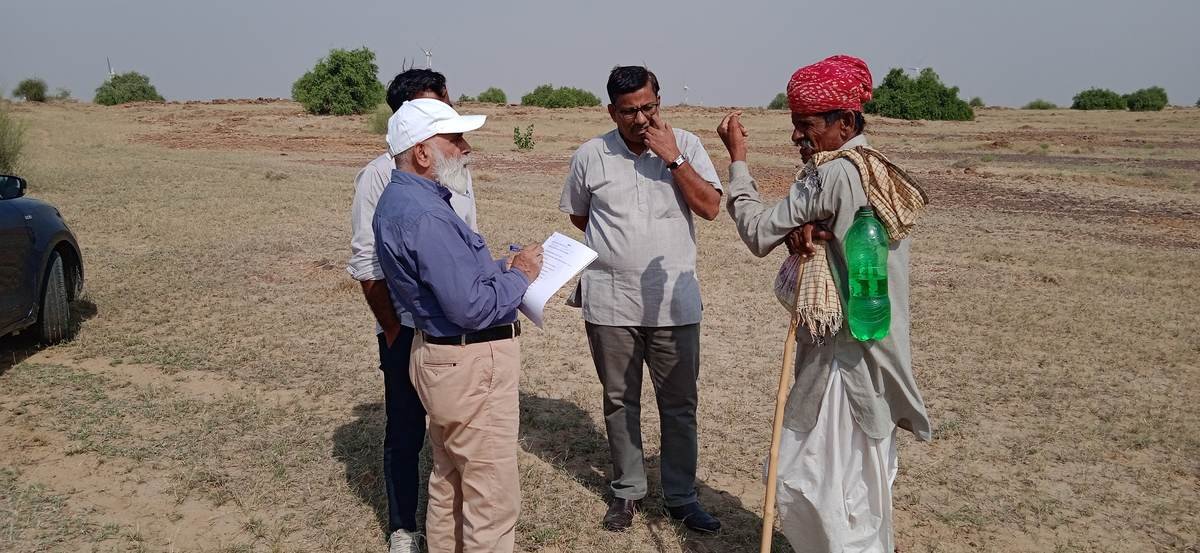
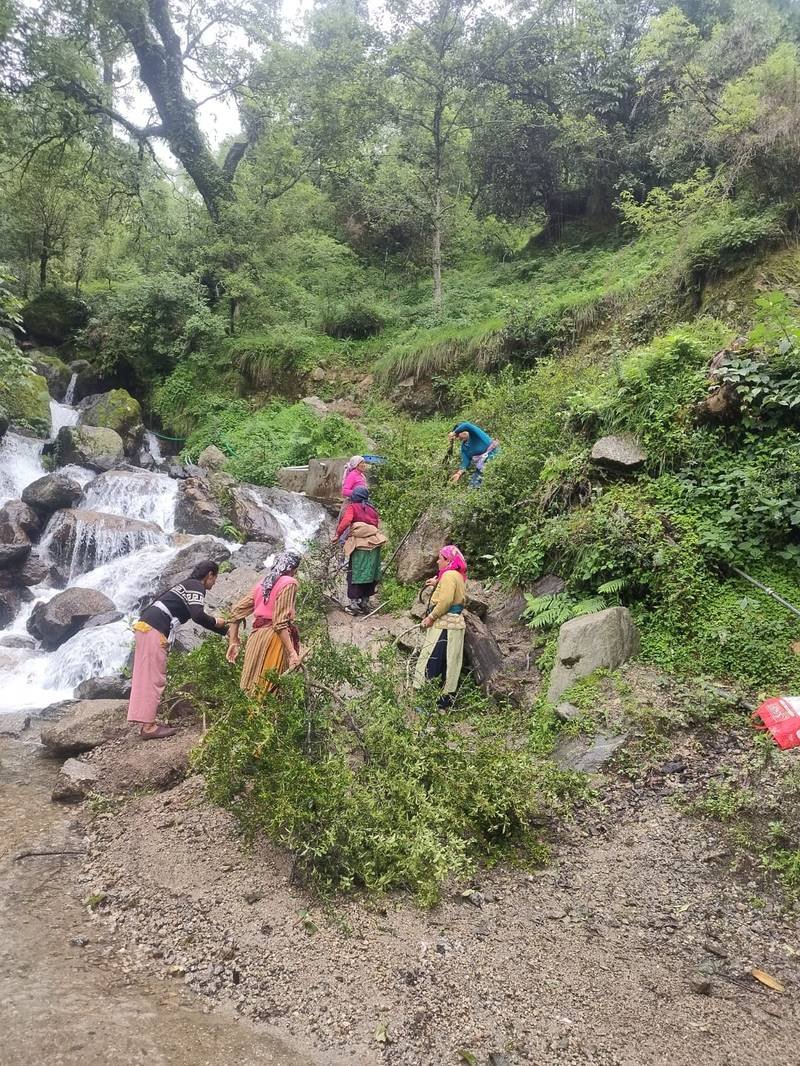
India is home to thousands of community-managed ecosystems that are rich in biodiversity and cultural value. NWG-CCA aspires to play a critical role in strengthening the local socio-cultural and ecological systems, including governance systems of Indigenous Peoples and local communities, legal rights, traditional knowledge, livelihoods, equity, justice, and the legal and policy environment toward enabling effective custodianship within territories of life. The NWG-CCA hopes to continue playing a role in impacting praxis and policy discourses, on-ground strengthening, as well as enabling a funding environment towards meaningful and direct support to CCA-territories of life and their custodians.
The national working group is a self-organised collective, which is not a project — it is a process of movement-building, bringing visibility and solidarity to communities using, managing, conserving, and protecting nature for generations. It remains an evolving structure and operates on collective commitment, on a largely voluntary basis. NWG-CCA continues to play a crucial role in empowering communities, influencing policies, and promoting ecological stewardship rooted in customary knowledge and practices.
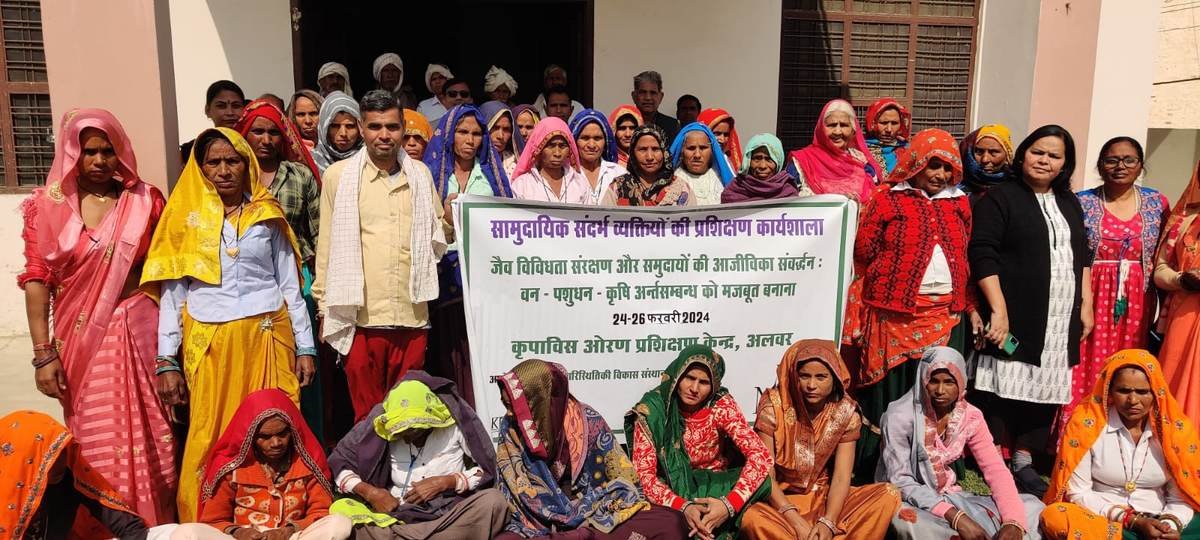
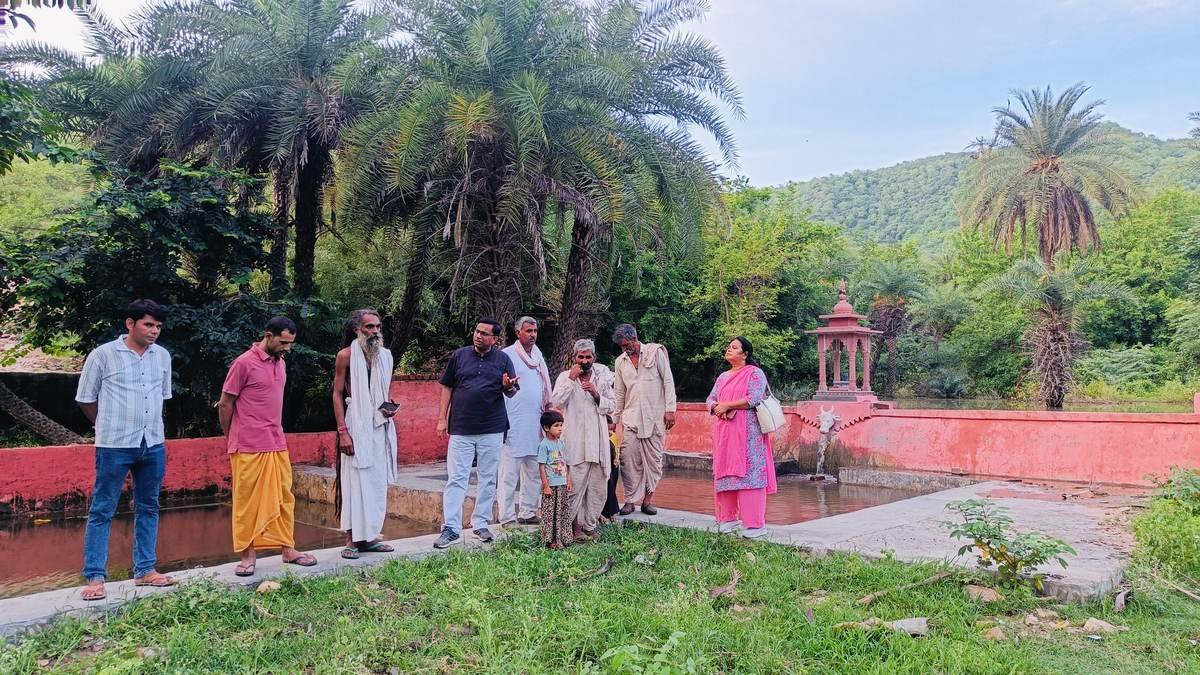
Community training workshop, Oran Training Centre, Alwar
Whether you are part of a custodian community, a supporting organisation, a researcher, or someone who believes conservation belongs in community hands — we would like to hear from you.
nwgccaindia@gmail.com